
 >
>Origin of the Divine Praises

The Divine Praises
Blessed be God.
Blessed be His Holy Name.
Blessed be Jesus Christ, true God and true man.
Blessed be the name of Jesus.
Blessed be His Most Sacred Heart.
Blessed be Jesus in the Most Holy Sacrament of the Altar.
Blessed be the Holy Spirit, the paraclete.
Blessed be the great Mother of God, Mary most holy.
Blessed be her holy and Immaculate Conception.
Blessed be her glorious Assumption.
Blessed be the name of Mary, Virgin and Mother.
Blessed be Saint Joseph, her most chaste spouse.
Blessed be God in His angels and in His Saints.
May the heart of Jesus, in the Most Blessed Sacrament, be praised, adored, and loved with grateful affection, at every moment, in all the tabernacles of the world, even to the end of time. Amen.
These “Divine Praises” are often recited after Benediction of the Blessed Sacrament and before the Holy Eucharist is returned to the tabernacle. They were composed by the 18th century Jesuit Louis Felici in reparation for blasphemy and profanity.
If you have trouble with cursing or saying “Oh my G-d” in vain, you might commit yourself to reciting these divine praises every day to train your tongue in holiness.





What to Watch Next
Epstein Ranch Exorcism by Catholic Priest – Dr. Taylor Marshall Watch this new podcast episode by CLICKING HERE...
1335: Is she Excommunicated? “Catholic” Governor SIGNS Ab0rti0n till Birth Law – Dr. Taylor Marshall
Is she Excommunicated? “Catholic” Governor SIGNS Ab0rti0n till Birth Law – Dr. Taylor Marshall Watch this new...
Rupnik Priest Perversion “Art” Covered for Pope Leo’s Visit to Lourdes Watch this new podcast episode by CLICKING...
SHOP THE TAYLOR MARSHALL STORE


Dive Deeper
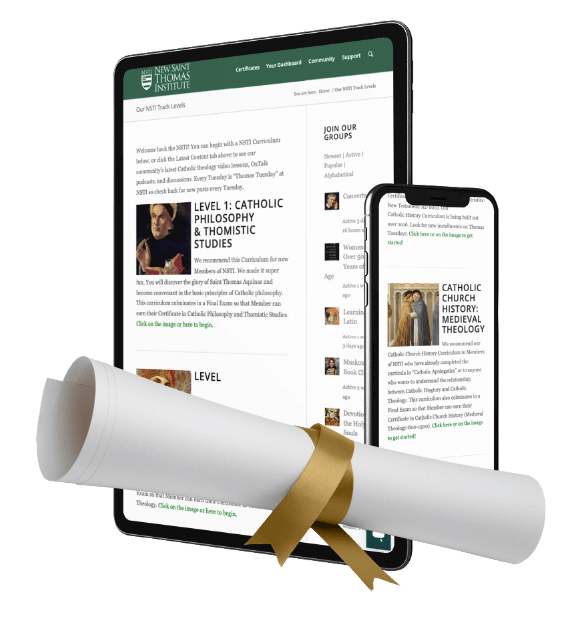

GET CONFIDENT IN YOUR FAITH
Explore the fascinating world of Catholic teachings with Dr. Marshall. Together you’ll unpack the brilliant answers the Church gives to tough questions about the Faith. The best part: you go at your own pace. Start this exciting journey today.